

First commit: Feb 4, 2:43 in the morning. An empty Unreal Engine 5.7 project and one long design document. That’s where PRIDE IS THE FALL starts.
I had no game-dev background when I made that commit. No C++, no engine, no studio behind me. What I did have was a very clear picture of the game I wanted, and a design doc that spelled it out on day one. February is the month I learned how wide the gap is between “designed” and “done.” I learned it over and over.
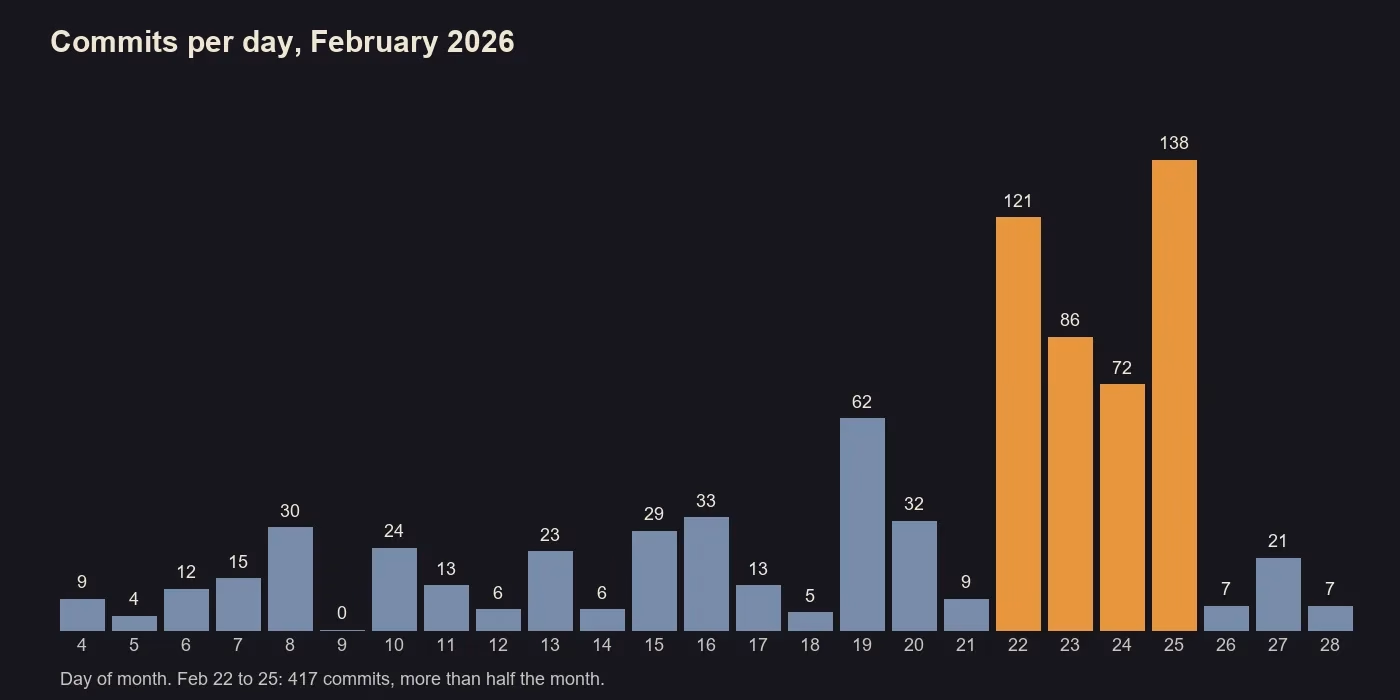
This is the map of the month, start to finish.
What got built
The rules, on day one
Before a single system existed, the game had five pillars. This is how they read in February:
- The world doesn’t wait. Factions act, economies shift and events cascade whether you’re there or not.
- No scripted story. Things happen because of other things.
- Players and AI factions are the same. Same data, same rules. The world treats you exactly like the kingdom next door.
- Power is built. No character levels. You get better at fighting by fighting and better at farming by farming.
- Consequence is permanent. Death was permanent. Towns could be wiped out. Factions could disappear. There was no respawn button. The first design doc says it plainly: The wins matter because the losses hurt.
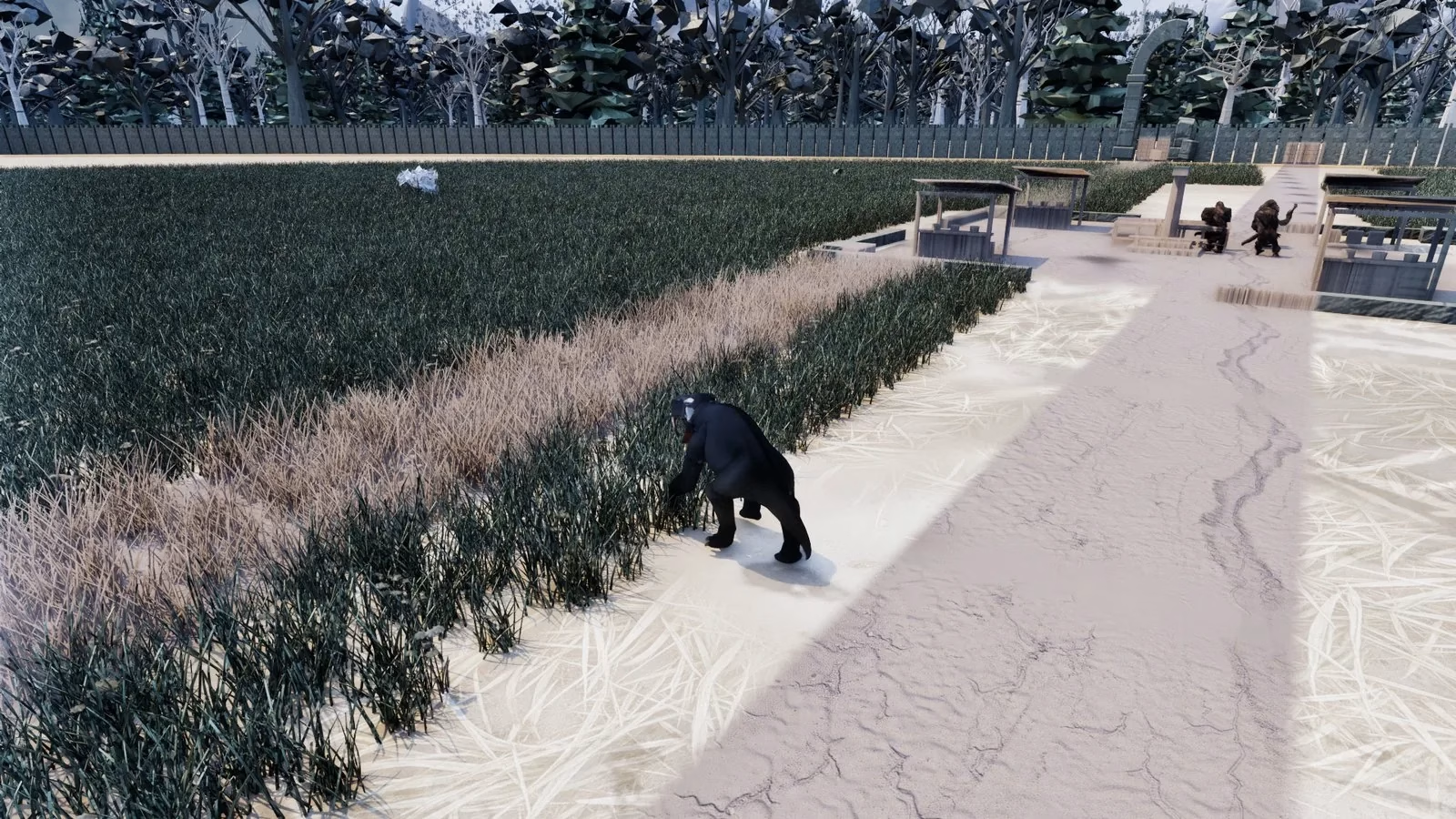
And a few hard lines from day one. No minimap: you would find your way by what you see, by landmarks, and by maps you discover or buy. Nothing hardcoded: if a modder can’t change it without recompiling, it’s wrong. And stylized art only. The doc’s words:
Paintings, not photographs. Never chase photorealism. Journey, not Call of Duty.
The inspirations were Kenshi, Dark Souls, 1984 and Lord of the Rings. The look had a name before it had a single texture: Ink, Blood, and Dust.
On Feb 6 I put the same idea to the AI tools in my own words: “there is no story to follow, only a world you’re in and allowed to uncover/explore/live in. this is not a liner game.” That night the world got its name too. The first working name was already taken, so I stopped and told the tools: “we should focus on being original. I want to call the world Sinthora.”
The first week
My plan said Blueprints first and C++ later. The first real file in the repo was a C++ header with twelve enums. So much for the plan.
The first night ran from Feb 4 into Feb 5. A top-down camera, one guy who walks wherever you click, and me typing “I need help” because the editor and I were not speaking the same language yet. By 3:51 AM I could see a figure floating in the world, and that was a win.
Feb 6 was the big one. In about six hours, 23 game systems got roughed in. Combat, settlements, economy, factions, needs, mood, skills, social life, intel, weather, captives, sieges, mercenaries, animals, chain-reaction events, crafting, disease, religion, language, crime and bounties, trade routes, jobs. One morning. By that evening I was in the editor looking for the people, and they were underground. Fixing it came next, and I wrote down a rule while I was at it: no quick fixes, only the right way.
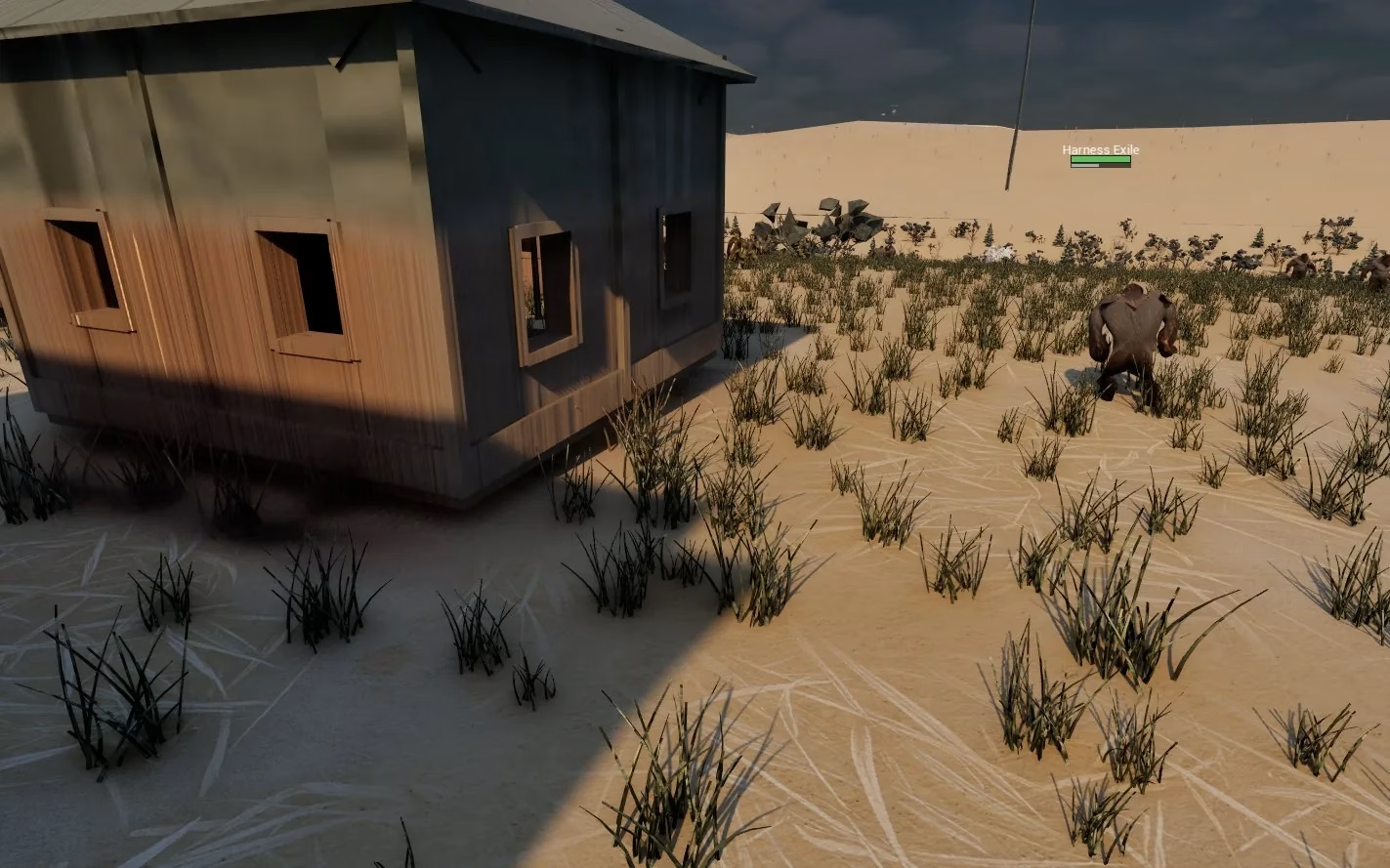
Feb 7 was the first playable demo, called The Siege at First Fire. Three factions, 12 people, two settlements, a live combat log, and everyone drawn as a colored capsule. Earlier that day the first real fight had run, with limbs damaged and people going down. It was ugly and it was alive.
Feb 8, the stamp
On Feb 8 at 9:09 PM the roadmap got stamped “ALL GAME LOGIC CODE-COMPLETE.” Zero unfinished pieces, zero stubs, all verified.
Twenty-three minutes later the next commit fixed four whole systems that weren’t being saved at all: disease, religion, language and substances.
It was not complete. The rest of the month, and honestly the rest of the year so far, is me finding out what “complete” actually means. That same day I had already asked for a full audit of what we’d built against the plan, and the audits kept finding more.
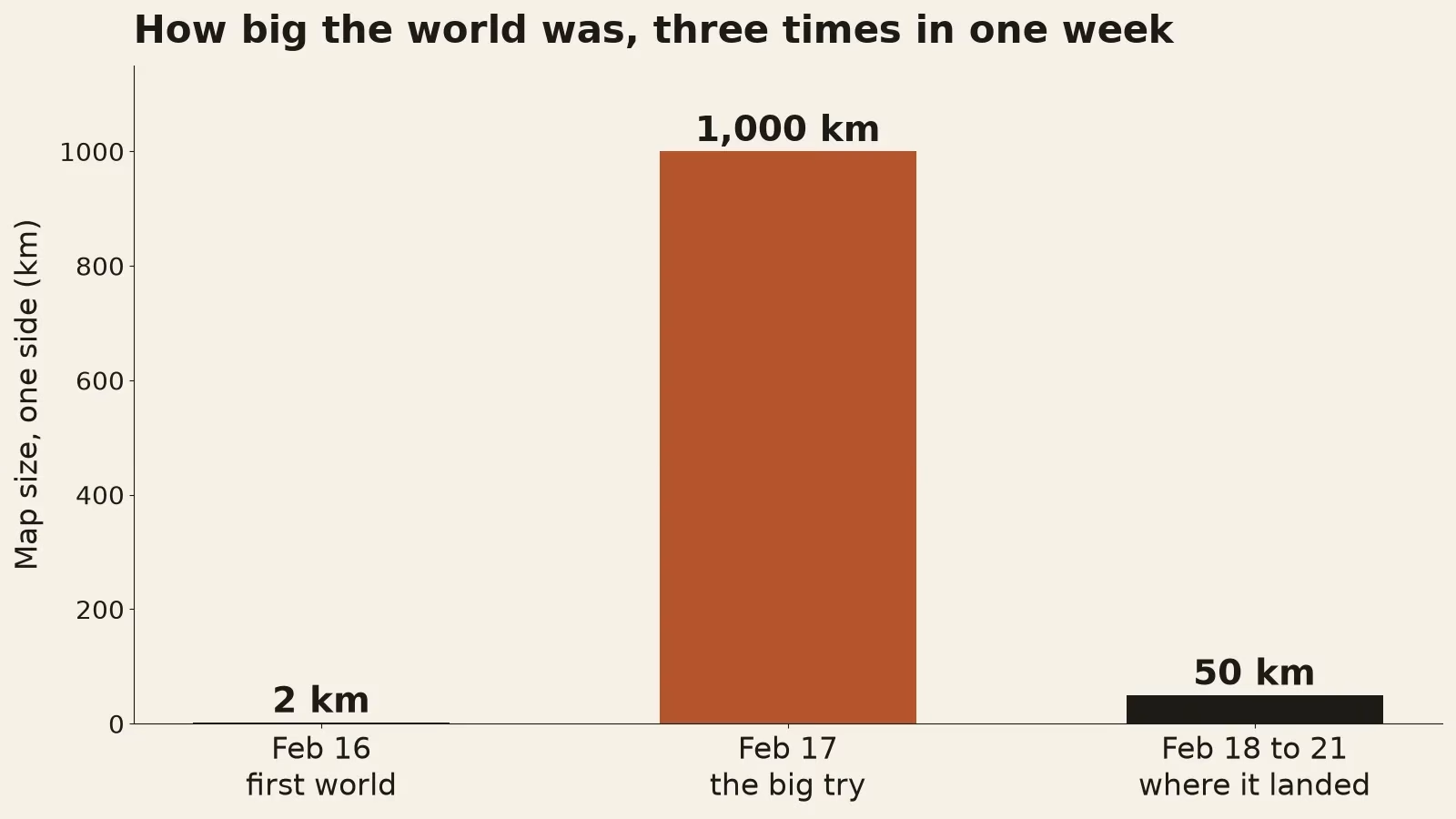
A world, then a bigger world, then the right-size world
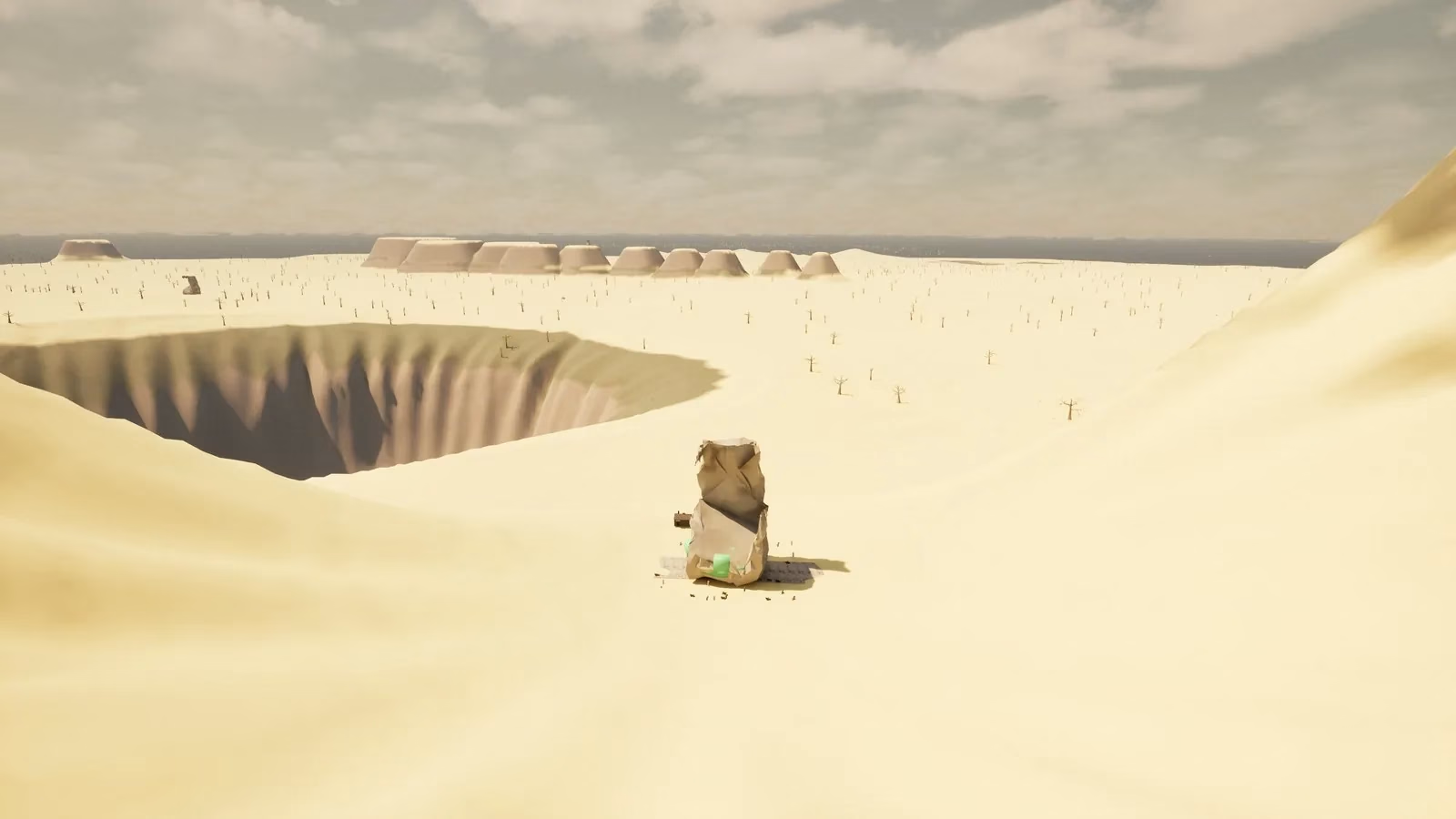
- Feb 16: the first world went in. A rough grey block-out realm with 727 pieces in it. Same day, 5,000 people walking around a crater.
- Feb 17: the map went from 2 kilometers to 1,000. The lore said the continent is the size of Western Europe, so I went for it.
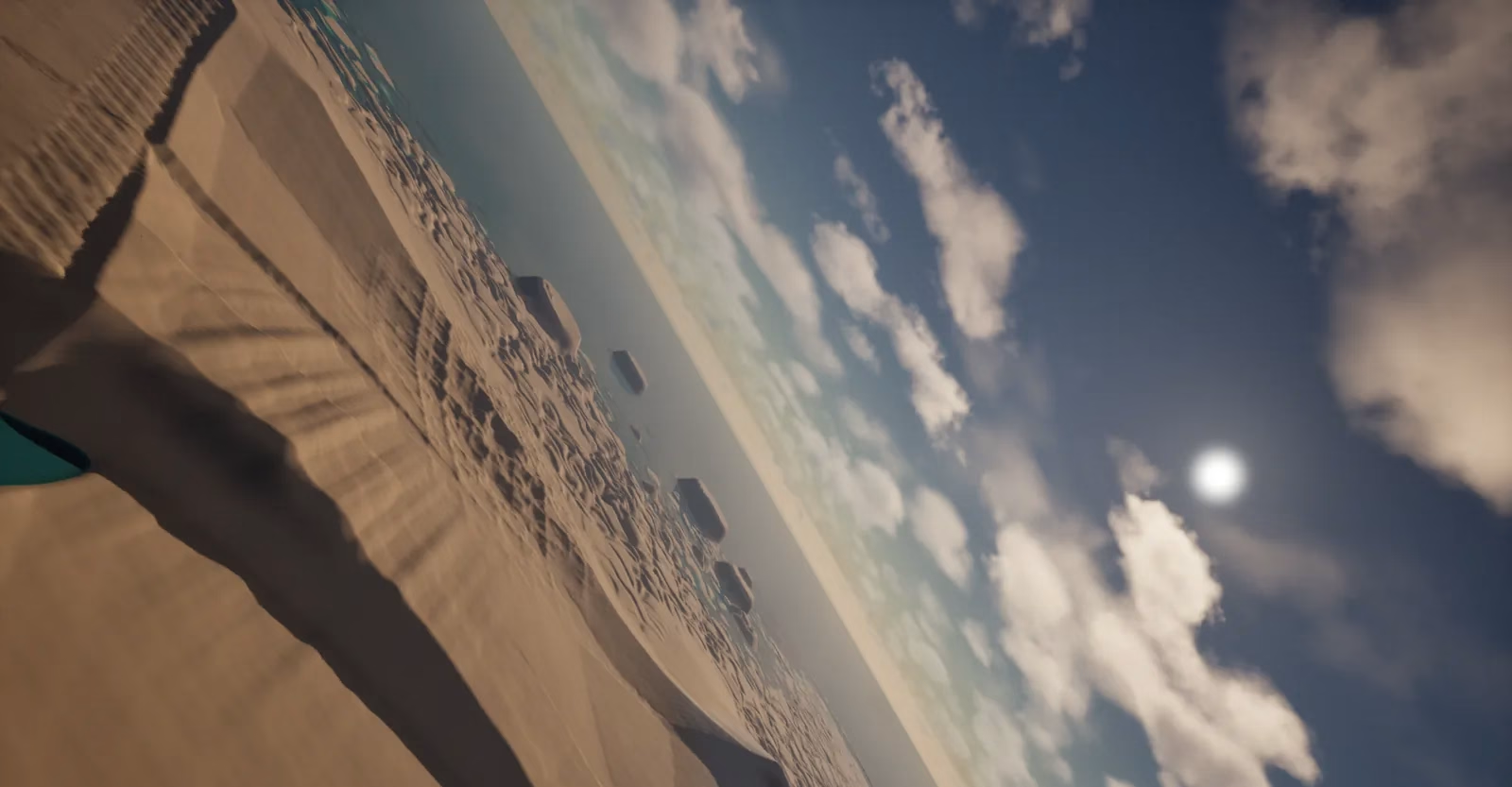
- Feb 18 to 21: it came back down to 50 kilometers, with a real terrain generator, erosion, and 97 new features.
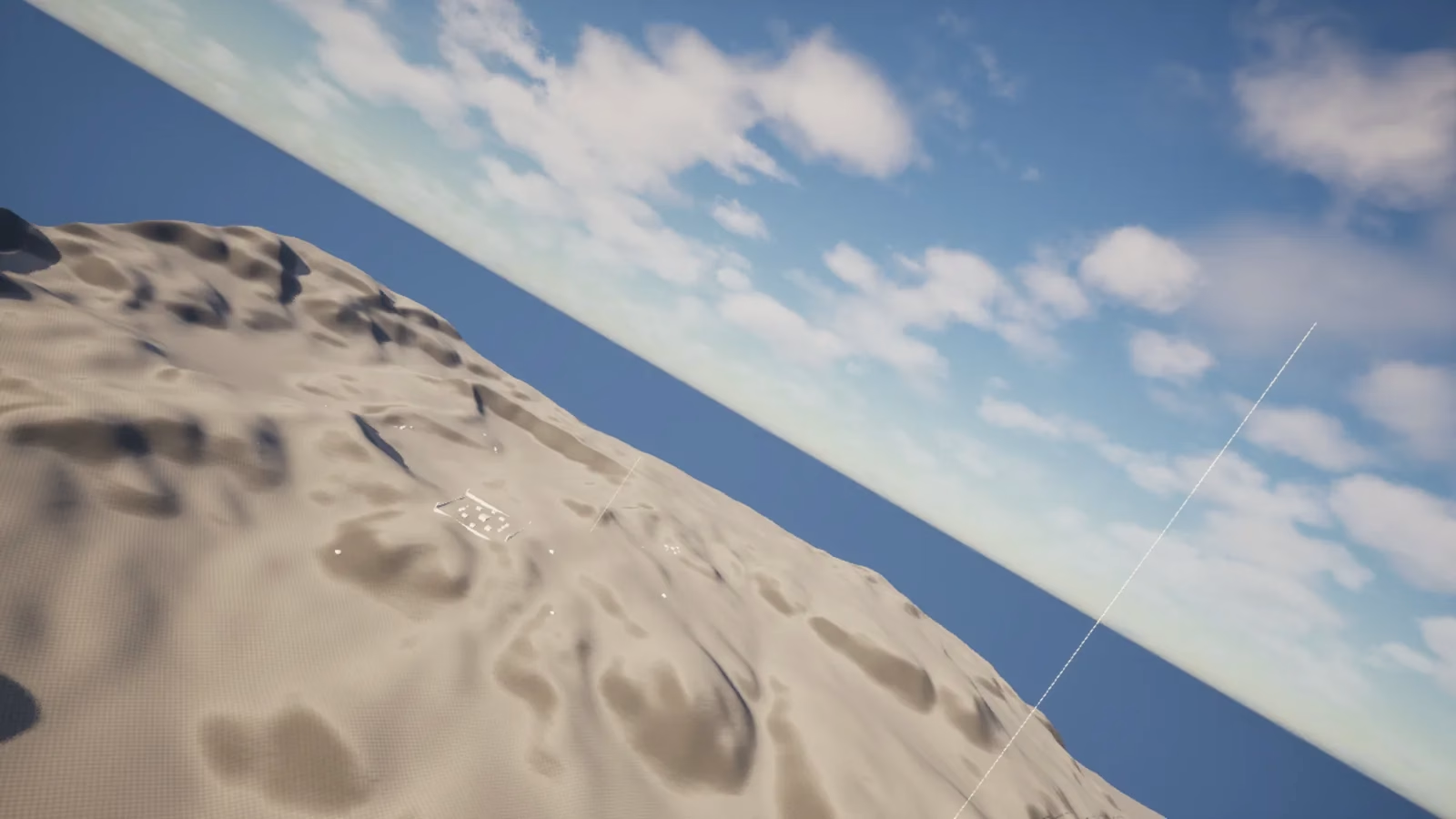
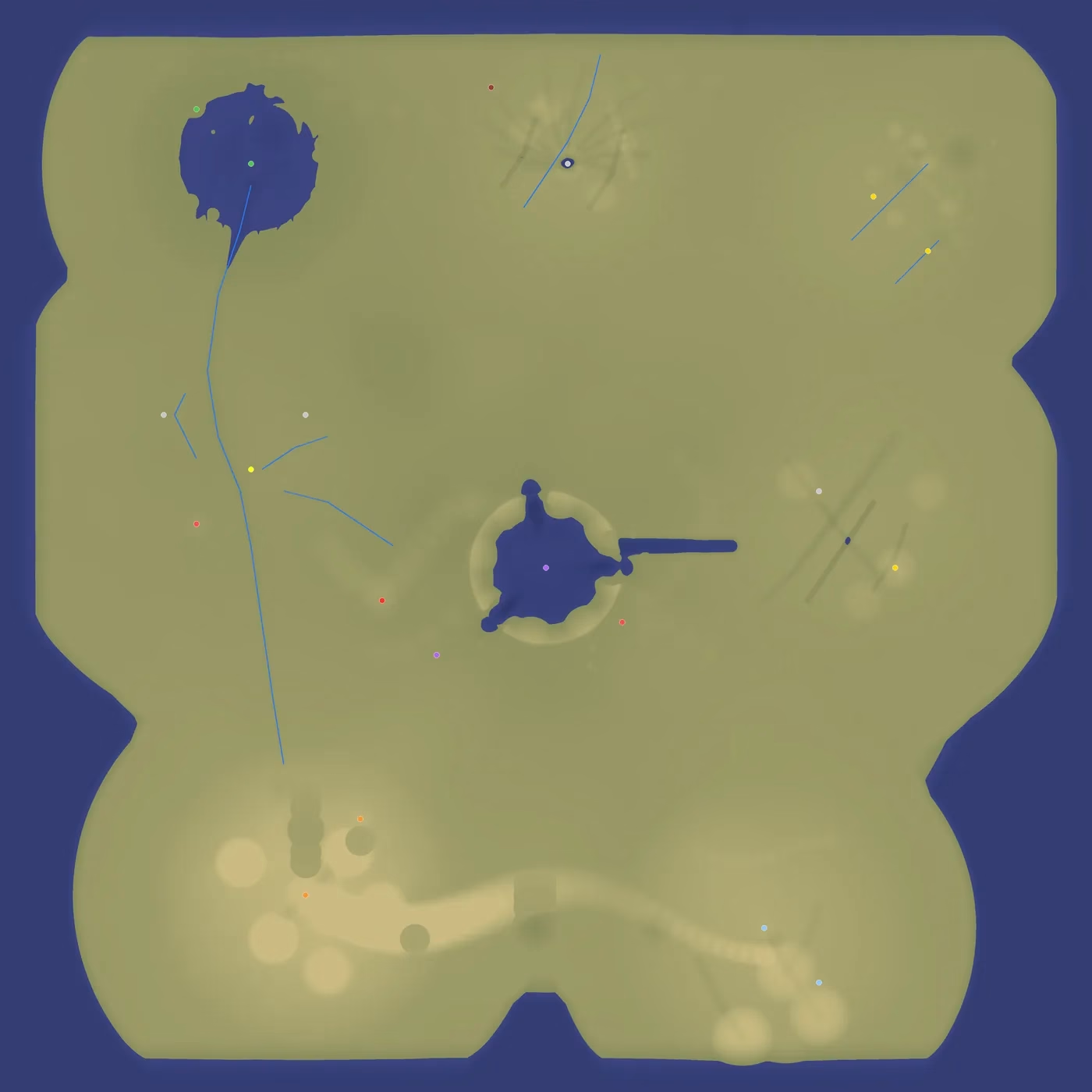
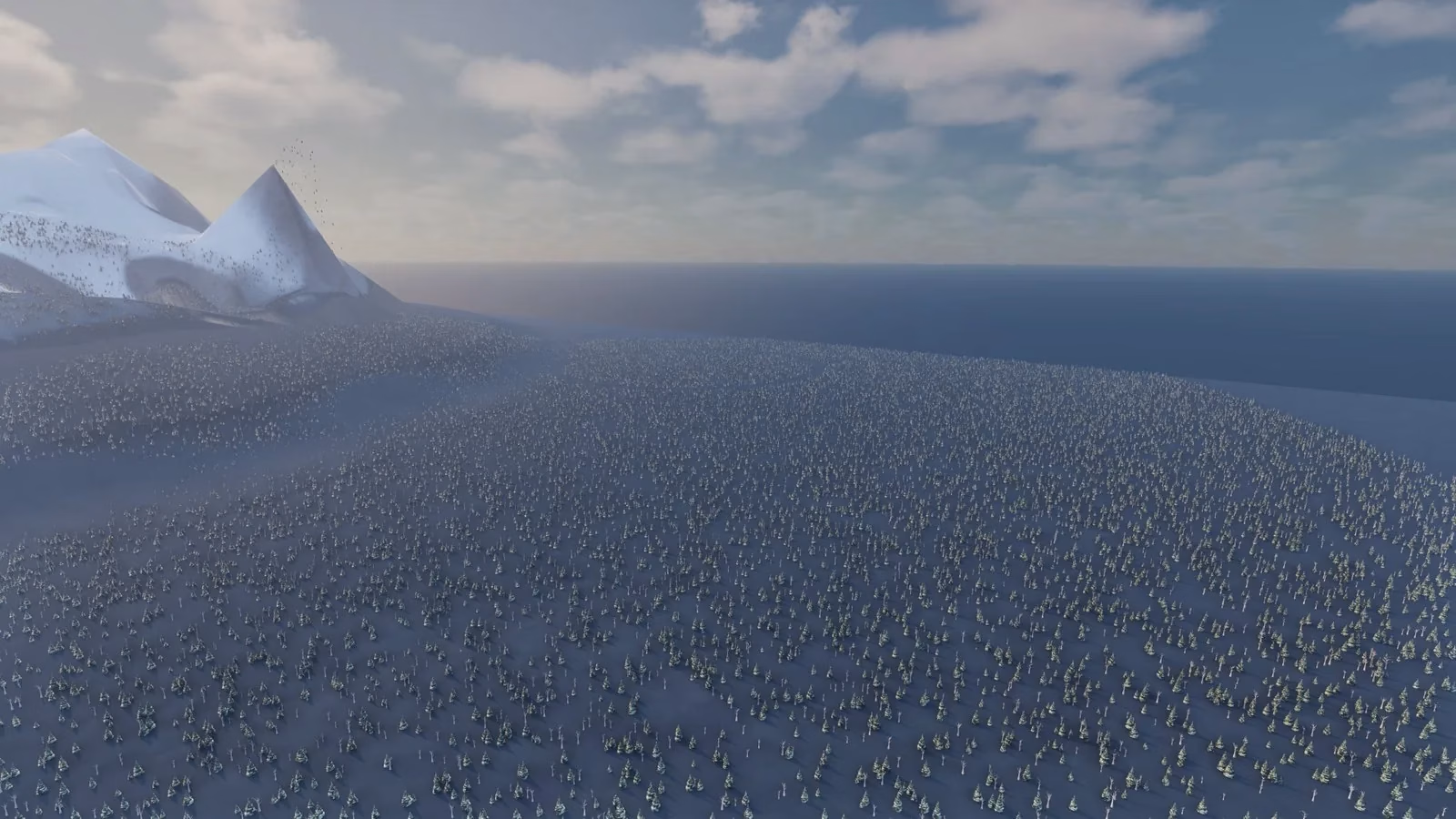
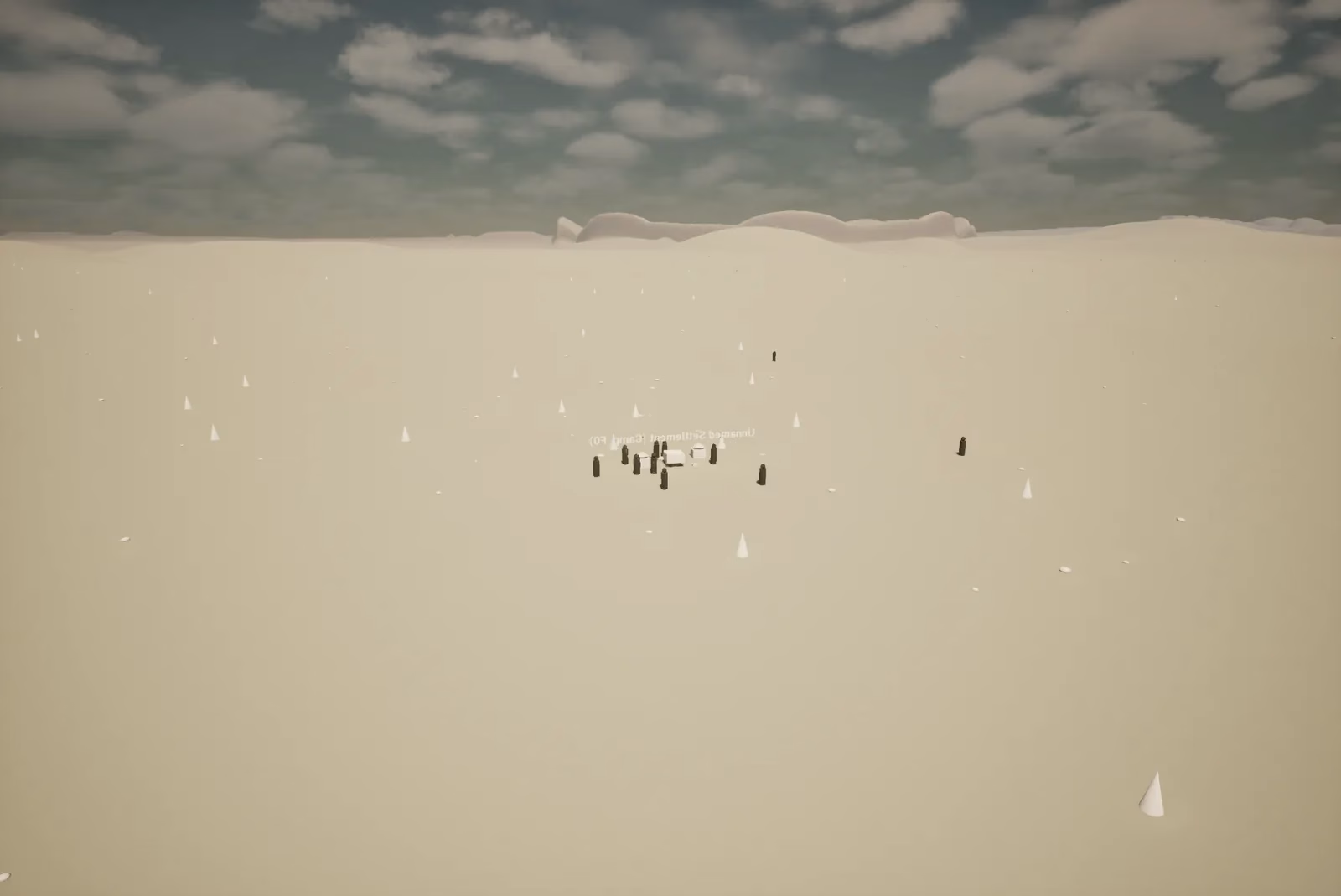
The 1,000 kilometer map was my idea, and the engine let me try it. What came back was a flat tan checkerboard with my guy under the ground, and two days of a terrain import that would not behave. Somewhere in there my questions turned to how it would run. About the heightmap I wrote “im thinkin it should only be 4k,” with the worry that mattered to me: “optimization and fluidity in a multiplayer game 2-6.” We landed on 50 by 50 kilometers.
The population rule came out of the same stretch. On Feb 20 I put it plainly: “As pawns die, new pawns should spawn in keeping the world at or near hte world cap of 10,000.” A cap, with births to replace the dead, so the world never empties out and never runs away.
The world got a bible
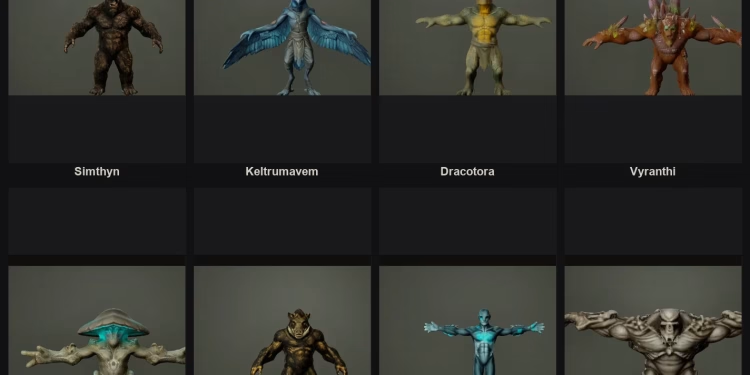
On Feb 20 I made the lore real: a world bible over 7,000 lines long, and a rename of nearly everything in it. The races got the names they carried through the summer: Simthyn, Keltrumavem, Dracotora, Psilobin, Borgnoral, and two brand new ones, Dravessi and Brakkoth. The capital became Vaelmyst. The great disaster of the past became the Glimpse of Eternity.
Calls I made
February is when a lot of the game’s personality got decided, mostly by what I cut. These were the calls that mattered at the time, and the game has kept changing since:
- No sleep meter. I wrote it flat out: “ok so lets remove the fatigue and sleep system entirely.” Nobody would ever be forced to go to bed. Sleep was for lying in a bed or a sleeping bag so you healed faster. In its place, people could be Sunshine types or Night Owls, and they felt better at different times of day.
- No romance. It was left for modders. The base game got bonds that matter instead. My line was “battle bonded even is cool, friends and all that good stuff but no romance, leave that for modders.” Friends fought better together, rivals pushed each other, and mentors made you learn faster.
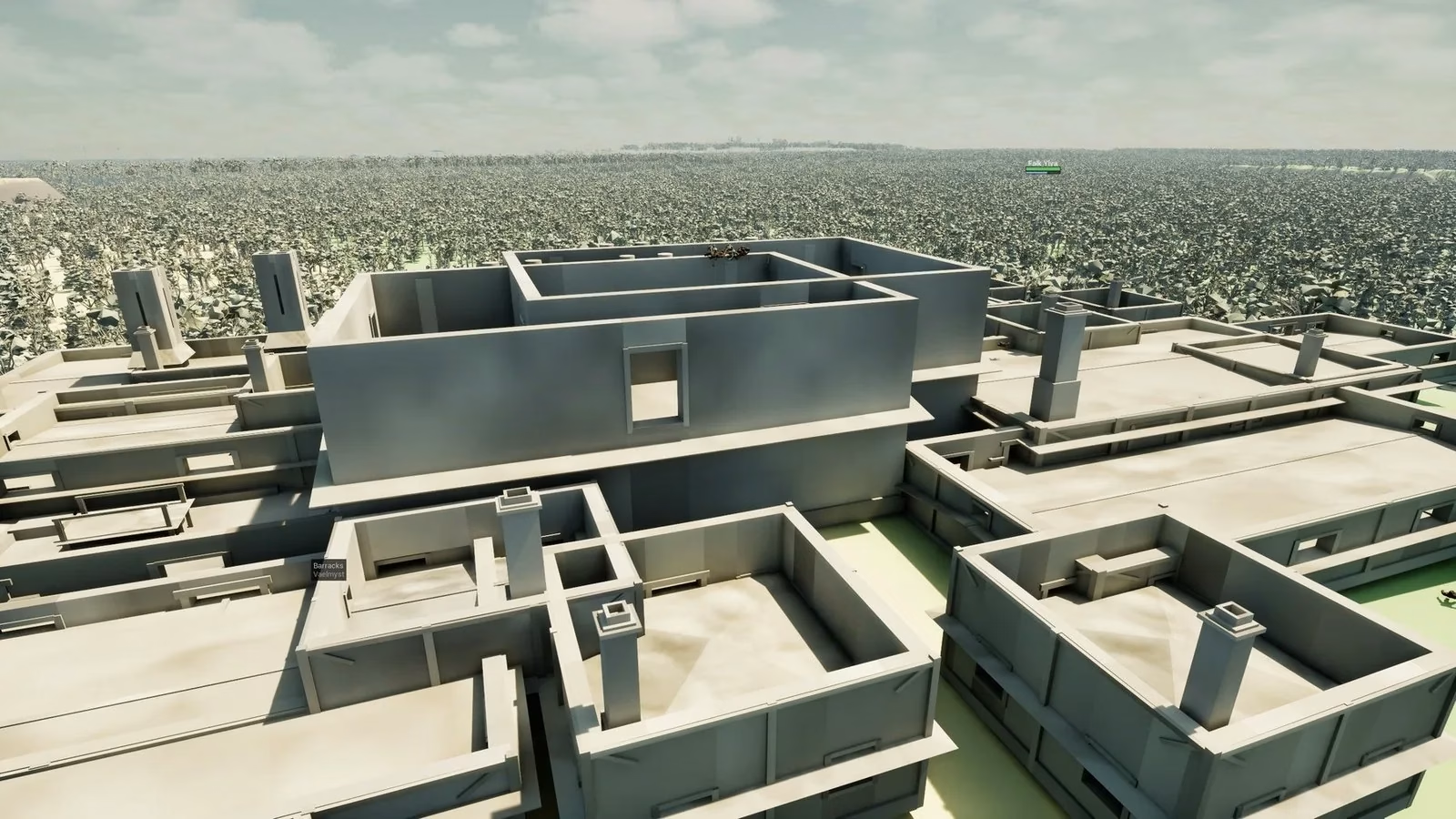
- Premade building shells. I asked whether every faction should get its own set of buildings or whether players should build from pieces. I went with premade shells, because they’re better for multiplayer and for the machine, and locked it in: “lock in that premade building shells are the move”.
- Disease is background. In February the plan was that colds pass, fevers break, and wounds rarely get infected, while the plague stays catastrophic on purpose and rare.
- One world for everyone. The AI tools floated a difficulty setting. I said no: “theres only one setting for the world, its all the same no matter what.” In February, scenarios only changed where you start and what you start with.
- The Schism became New Game Plus. I wrote it up like this: “when activated it should have a count down where other factions start attacking etc, and if it goes off it acts like new game plus in that the 13 characters survive in their pods and the world rests.” Thirteen pods, you and twelve others, was the plan. Survive, and the world would reset with your survivors carrying their skills, gear and memories into the next cycle. In the February design it never activated until a player turned it on.
Feb 22 to 25: the sprint
Four days, 417 commits, more than half the month. Feb 25 alone was 138, the busiest day of February. A huge expansion of items, recipes and loot went in. Roofs faded away so you could see inside buildings, the way Kenshi does it. Word bubbles over people’s heads. Crime with evidence and trials. Sieges with sabotage and sacking. A death that ripples outward into revenge, succession, inheritance, a weaker faction, and an empty job. Settings got an accessibility section, with UI scale, colorblind mode and high contrast.
What went wrong
Four things went wrong badly enough to remember. Here is each in a few lines.
The first night. On Feb 5 I asked for camera collision so the camera wouldn’t clip through the ground. The whole screen dropped into a black void. Reverted eight minutes later. Most of that night was me and the editor learning to talk to each other.
The 23-system morning. Feb 6 gave me 23 systems and a world where the people were buried. The no-shortcuts rule came out of that night, and I held to it through the summer. The demo the next day was the payoff.
The size of the world. The 2 km, 1,000 km and 50 km story above. Along the way people barely moved for a stretch, because a test map had left the world running at a ten-thousandth of normal speed and the big map had never built its navigation. Every move order failed without a sound.
The world that kept starving itself. This one ran through most of the last week. A few of its greatest hits:
- Towns showed zero people, because new people never got added to the list of who lives there.
- Every government collapsed into anarchy in about 2 minutes, because nobody’s government was ever set up.
- 74% of the world went into a mass breakdown. About 7,400 people with no home, like patrols, bandits and travelers, had nowhere to eat or drink. After the fix they foraged.
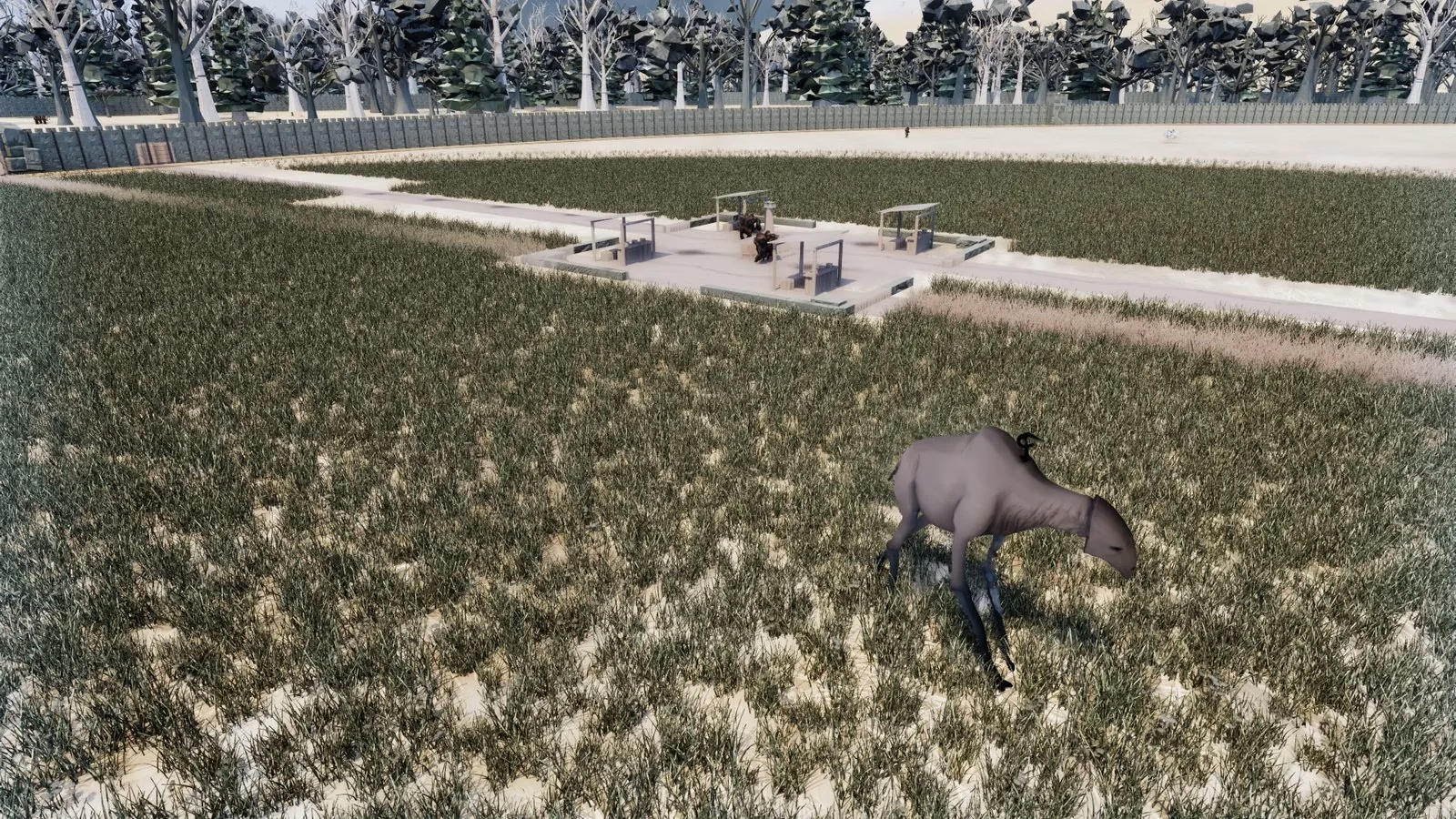
- The deer had feelings. Wildlife had been created as people, so deer and wolves were running human moods, needs and religion, and spiraling.
And a smaller one that I like for the way it hid. Once most of the population lived as background data instead of on-screen characters, half the game couldn’t see them. Feb 22 was about 30 commits in four and a half hours just teaching every system to see the rest of the world.
3 frames per second, and a white screen
Feb 28 the new test level ran at 3 frames per second with about 1,000 people in it. Every single person had five separate connections listening for events, 5,405 in total. Those became 2 central ones. The next pass found every person had their own copy of their material, and swapped in a shared one. And then a saved setting quietly overrode the fix, so it had to be forced again at startup.
The night before, the screen went solid white. A fog volume sat at height zero while the world’s floor was 23,219 units below it. That’s a lot of fog.
What I learned
“Complete” is a claim, not a fact. The month’s pattern was build wide, audit, fix, then audit again. Every audit found more.
Do the boring work. Most of the late-February commits moved numbers out of the code and into tables anyone can change. It’s tedious, and it’s the plan for letting modders change this game.
Settings save and settings lie. A value saved somewhere else can quietly undo your fix. A test map can leave the world paused.
Numbers that work for 50 people break at 5,000. Almost every collapse in February came from that.
Say no in one sentence. Sleep, romance, difficulty settings and a fast-forward for when nobody’s online all got cut in the first month. Each cut is one line in my own words, and the game took a clearer shape for it.
Next up
March: the cast gets bodies, and then souls.
February in numbers: 777 commits · 24 of 25 days with a commit · busiest day Feb 25 (138).
What’s the earliest version of something you built that you’d be embarrassed to show today? Drop it below.
More from this chapter
Colophon
Season 0, chapter 1 of 7. The images are real captures from the build, and the two charts are drawn from the record.
Following the build? Sign the book so I know you’re out there
From the toolbox The Toolbox · A random post · All tools →
Free
Join the Guild
The free Weekend Field Manual, dev log alerts, and guild dispatches for announcements. Zero spam.
Join the Guild
Keep reading
Next in the Forge
Devlog 002: they got bodies, then they got souls
The Forge
Devlog 008: no magic anything

 Throw five on it