

At 2:43 in the morning on February 4, I made the first commit for PRIDE IS THE FALL. It was an empty Unreal Engine 5.7 project and one very long design document. Six minutes later I typed my first question about it.
What is this project?
That’s it. That’s the opening line of the whole thing. I’d made the project, and the first thing I did was ask what it was.
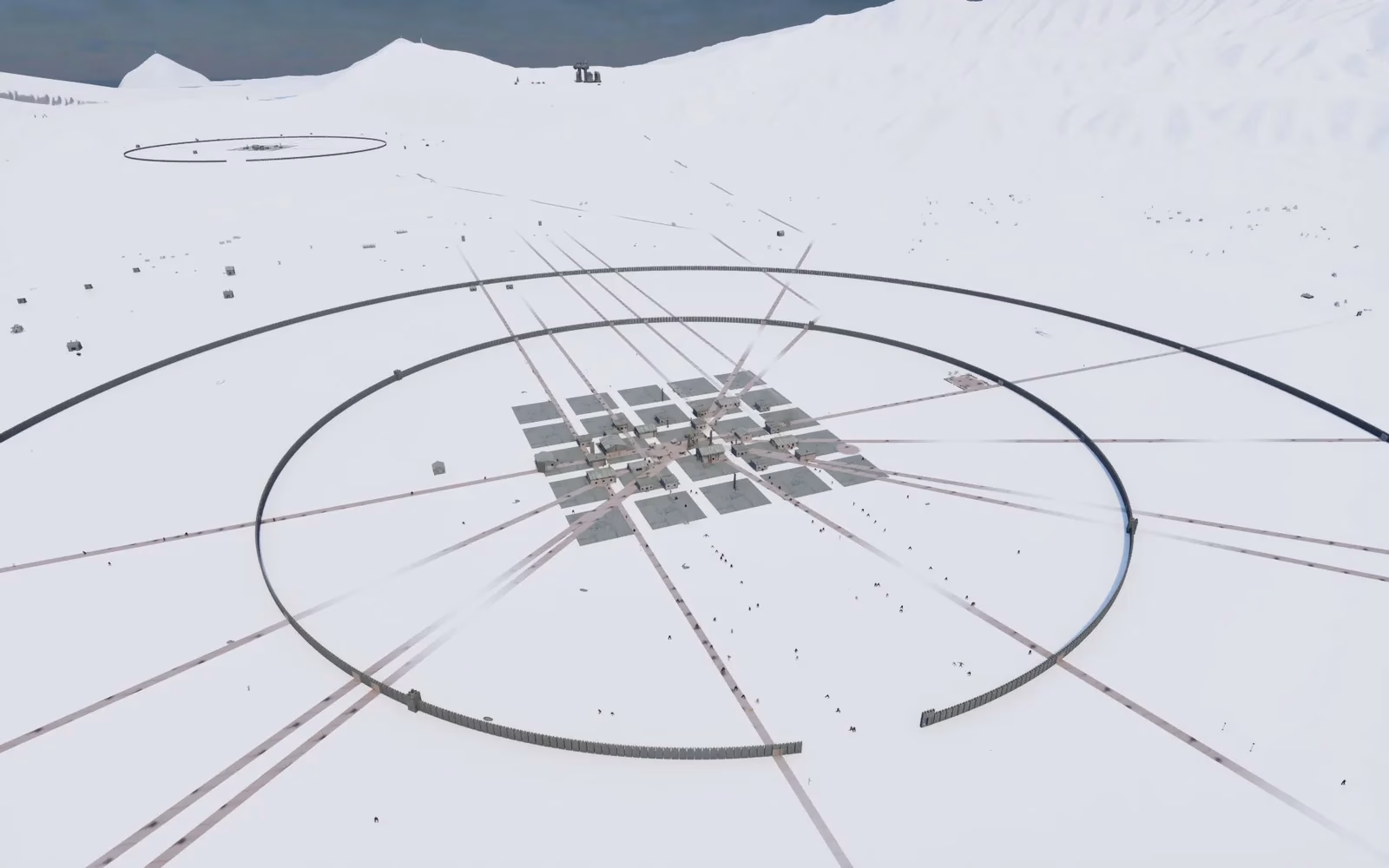
I was working with AI tools from the first night. This is the story of the first three days, up to the morning the plan was written. The part before the big build, when I didn’t know how to open a C++ class in Unreal, and still had a very clear picture of the game I wanted.
Who walked in
I should say who I was that night. I’d been a gamer my whole life. Command & Conquer since 1997. Kenshi was the game I kept pointing at. I had zero experience with C++ and zero experience with game engines. What I had was a long document, and the document was stubborn.
In February it had five pillars, written down before there was a single line of code. This is how they read that night:
- The world doesn’t wait. Factions, economies and events keep moving whether you’re watching or not.
- No scripted story. Things happen because of other things.
- Players and AI factions share the same rules. The kingdom next door is built from the exact same parts you are.
- Power is built. No character levels. You get better at what you do.
- Consequence is permanent. Death stays death. There is no respawn button.
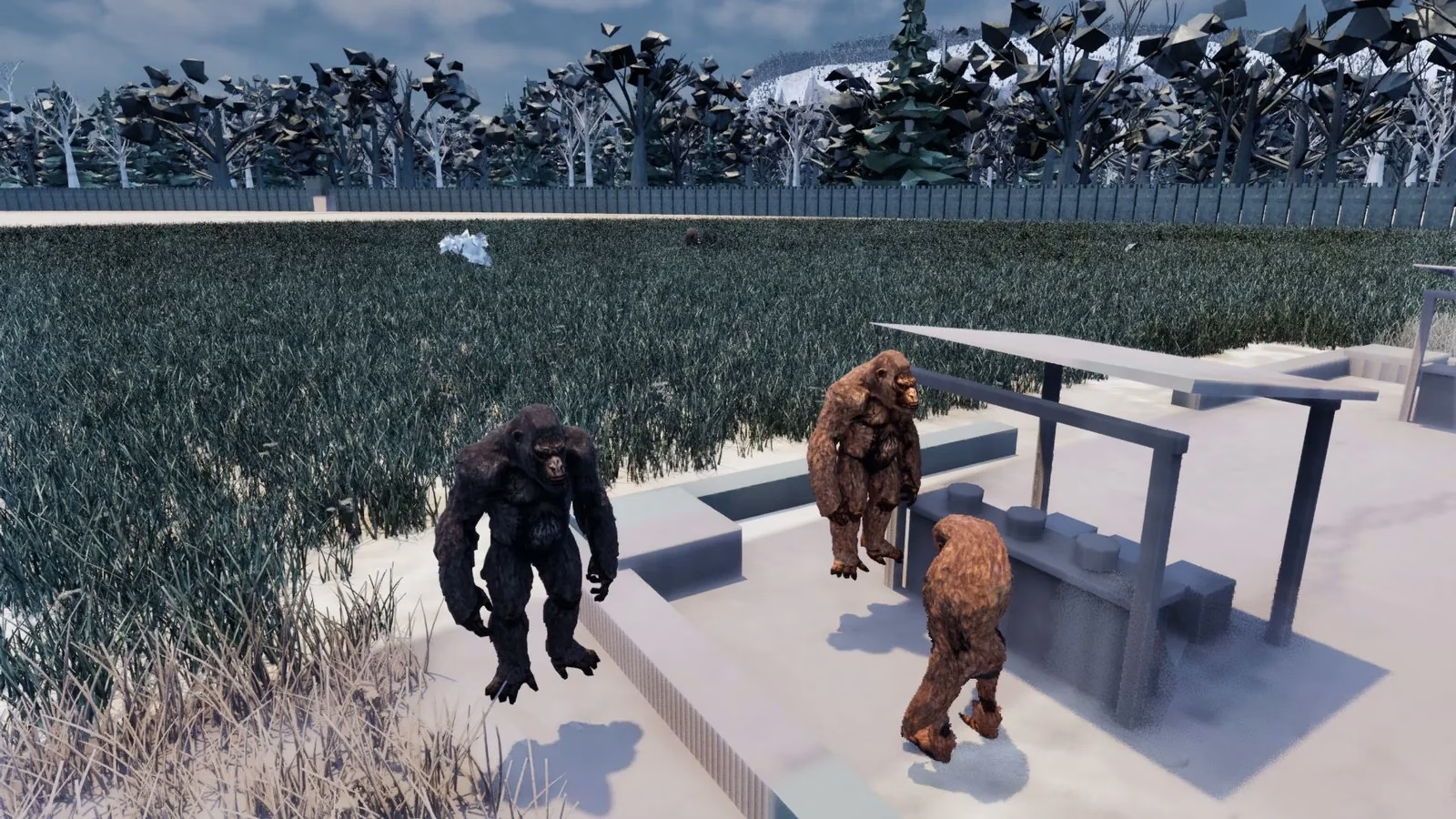
The document had one test for any idea: if it serves none of the pillars, it does not belong in the project. It also had a line I’ve kept in my head. The wins matter because the losses hurt.
It had hard lines too. In February that meant no minimap and nothing hardcoded that a modder couldn’t change. And the art had to be paintings, not photographs, under a look I’d already named: Ink, Blood, and Dust.
The first night
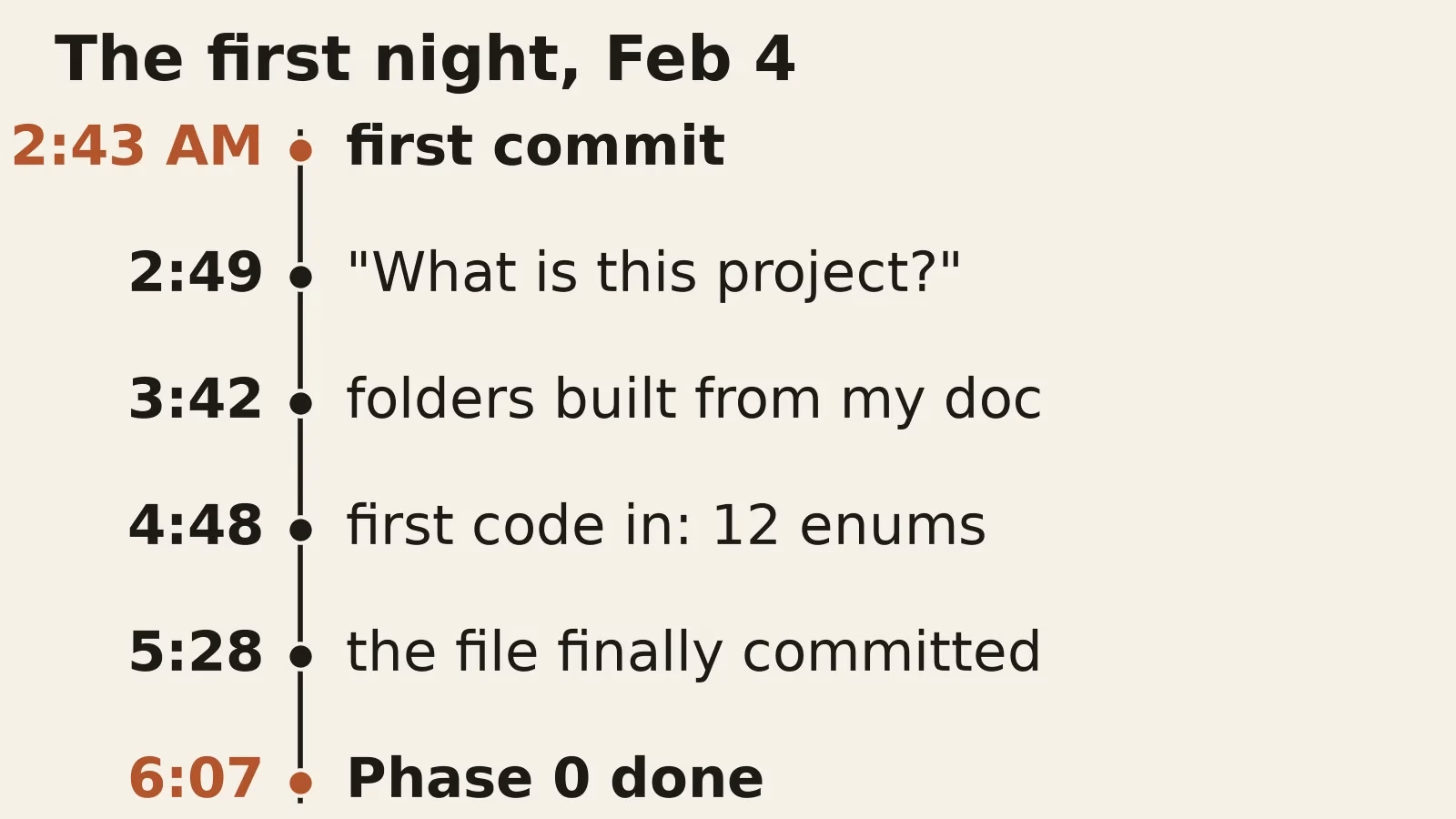
Once I asked what the project was, the work went fast and boring in the best way. Soon there was a full folder structure built from my document. An hour on, the folders for disease, language, legacy, lore, and religion had been added. At 4:48 the first real code went in: a header file with twelve enums, and the first compile came back clean.
Then it turned out the file had gone in the wrong folder.
It took a while longer to move it and then commit it properly, which is why that file shows up twice in the history. By quarter to six the data models were in: bodies and body parts, mood, opinions, bounties, jobs, a full NPC, factions and diplomacy.
My own plan said Blueprints first, C++ later. The first real file was C++. So much for the plan.
By morning, I told the AI tools we had just finished Phase 0. Then I asked a question about fighting:
in combat, are we building it so they immediately die or they get beat down and get stronger over time like in kenshi
It matched what I wanted. That one question set the game’s attitude toward fighting. People get beaten down, they heal, they come back different.
The night I got lost
The next night was the opposite of smooth.
On February 5, I pasted in a 171-line list of steps and asked what was done and what was left. Then I asked for the event graph wiring. It built the pieces and told me how to hook them up, and I went to do it.
Unreal couldn’t see any of the files. I couldn’t find the “generate project files” option when I right-clicked. I deleted the one thing I’d made. At 1:46, I sent this:
I need help i am so lost nothing is working
Ten minutes later the C++ classes finally showed up in the tree. Then I could move forward and back with W and S, but A and D both just went forward. I couldn’t rotate. I told it I couldn’t tell which boxes to check, because nobody had told me. It got fixed.
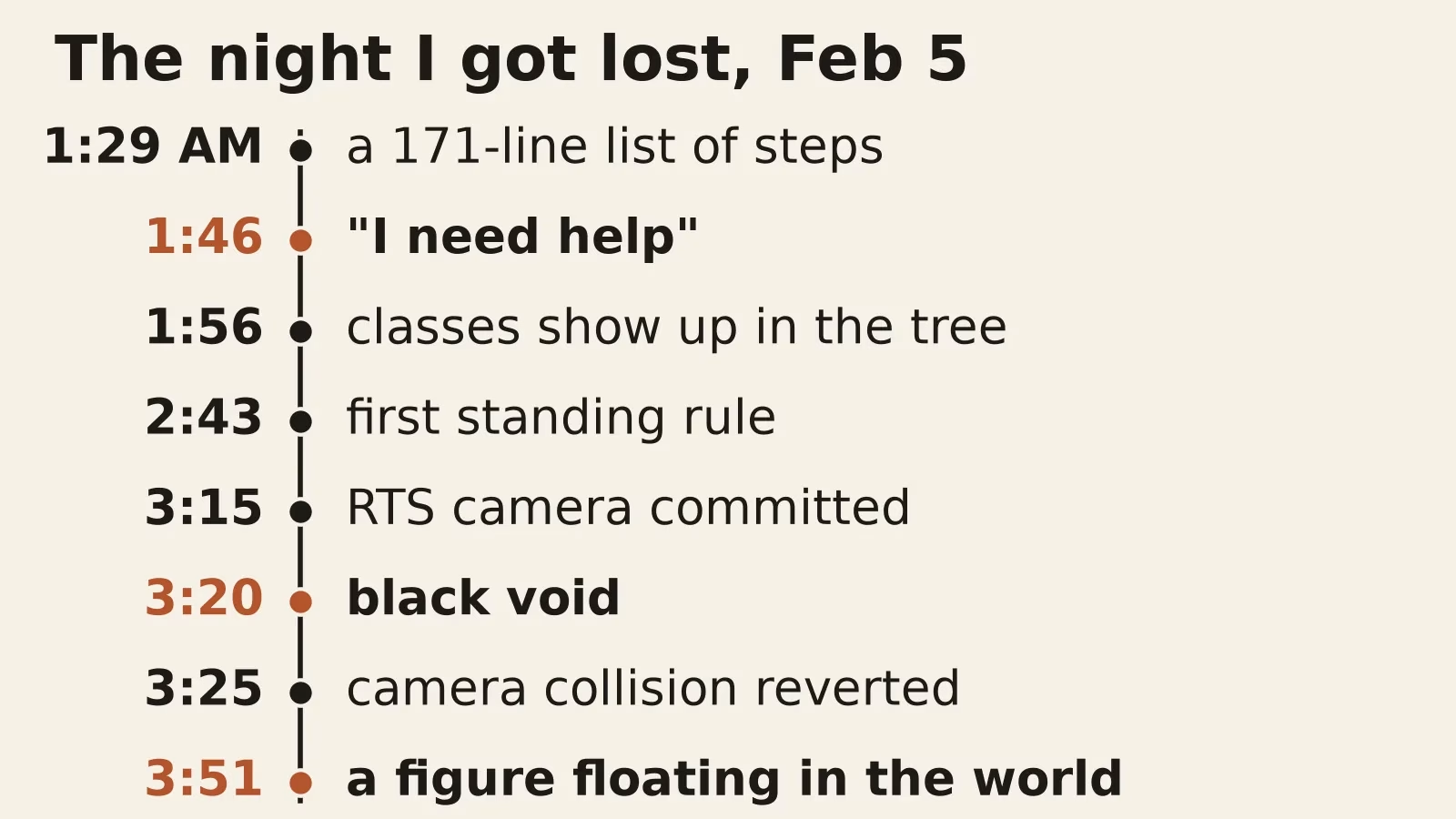
The next hour was a pile of small fires. A compile error I’d caused by forgetting to hit stop. A blueprint that refused to load because its parent class had been removed. The engine asking me to rebuild modules when I opened the project, which I said yes to, and which fixed it. Then the camera worked and spun like a top whenever I touched Q or E.
A full day after the first commit, I made the first standing rule I typed to the AI tools:
you should always use Unreal engine 5.7 best practices for C++ when coding and making changes. Make this a core rule. unless I explicitly approve doing otherwise.
That rule was in place before I understood half of what it covered. Right after that I asked how we should note our progress in git. I still had to learn how to save.
Kenshi, from the mouse
I wanted the camera to feel like Kenshi, and that was non-negotiable. Later I asked for tilt. The answer came back with keys for it, R and F. I stopped it.
stop I dont want to use R or F, I want to use the mouse like in kenshi
So middle mouse became rotate and tilt. Then the camera was committed as a full RTS camera: WASD to pan, scroll to zoom, Q and E to rotate, middle mouse to drag, edge scrolling, a shift boost. A minute later I asked it to keep the camera from going through the floor. That’s where it broke. A few minutes later I stopped again, because collision had left me looking at a black void. Then the whole thing was reverted, with a note that it would come back with proper terrain. Eight minutes from the collision commit to the undo.
I told it to always git our changes after confirming they worked. That one stuck.
The last hour that night was about getting a person into the world. I couldn’t find the components panel, then realized I wasn’t in the full editor. I couldn’t scale anything. The guy had no mesh, no form, not even a mannequin. Later I was asking which scale I was even supposed to be setting.
At 3:51:
Ok i do see it floating in the world!
He was a placeholder with no body. He floated. After that I asked to save everything and leave a note on where to pick up. The first NPC and a click-to-move controller went into the history. I was still lost about half the time, and somebody was standing in my game.
The day I wrote the game down
February 6 started at 12:42 AM. I asked to update the tools I was working with, then asked for a review of the project document: find ways to make it better at its mission, with revisions I could approve.
Back came a split. The giant document became a lean working doc and two reference files, one for lore and one for systems. I asked what had been added, then asked for something bigger:
ok look at the plan and vision for this project. Identify key systems i’ve overlooked as great opprtunities players would have fun with and align with the core vision of this game.
The review turned up six systems I hadn’t planned for: Prisoners, Renown, Supply Lines, Intel, Animals and Sieges. I picked them all:
Ok yes we need all of those honestly. That is awesome, flesh all of those out and add to the strategy.
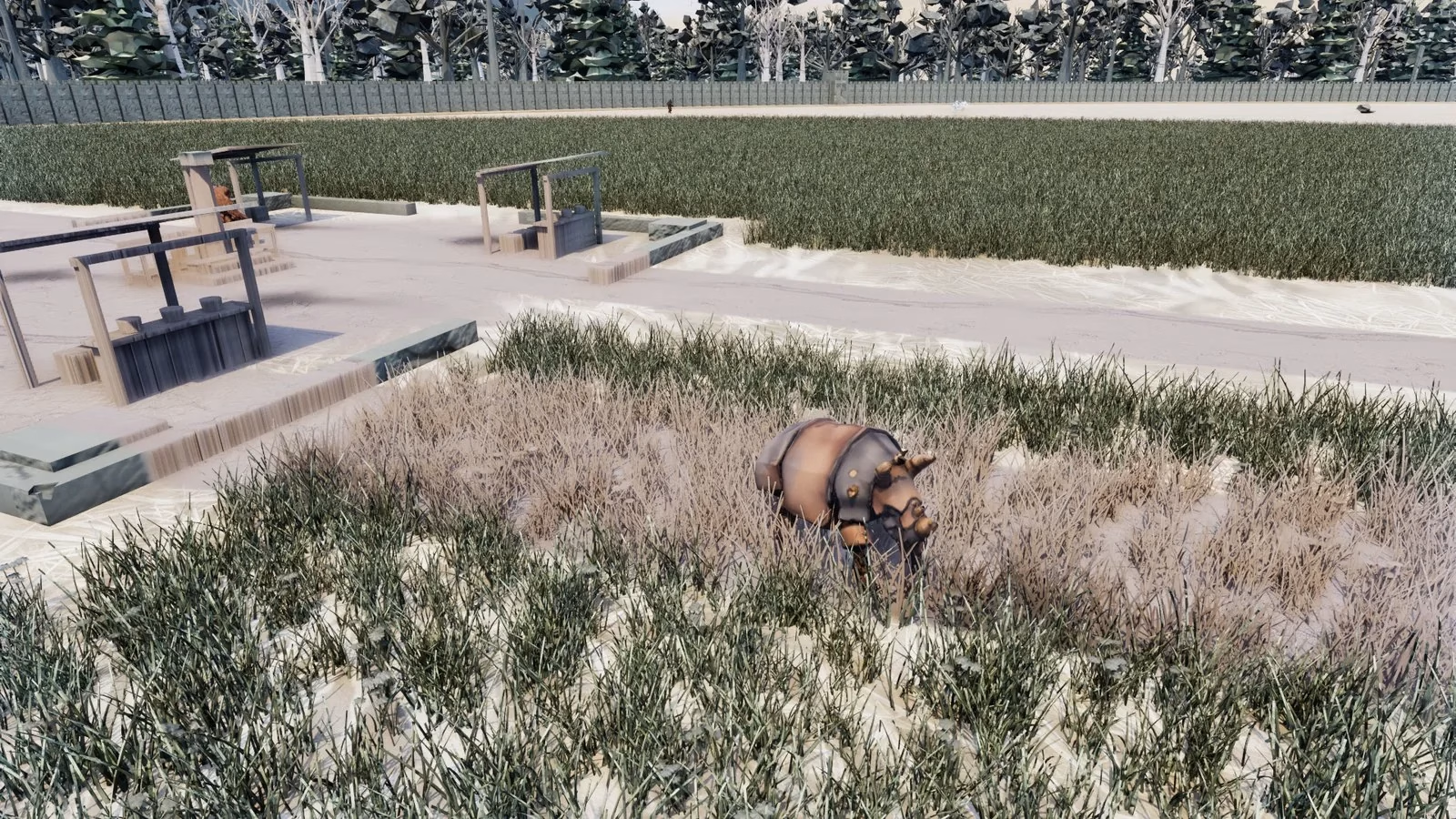
Then I asked what else we’d forgotten, with an end goal: “maximum fun for the gamer within the constraints of the project scope.” A numbered list came back and I answered it item by item, and that answer is where the game found its voice. No fast-forward when players are offline. In multiplayer, everyone has to agree before the speed changes. Audio: ambient, lofi, synthwave, medieval instruments, no lyrics, and no voices at all, text only, so you can get lost in your own head. And then the line that explains the whole title:
no one faction can truely control the entire world, there will always be push and pull. that is the pride of the fallen, thinking everything can be yours and flying too close to the sun.
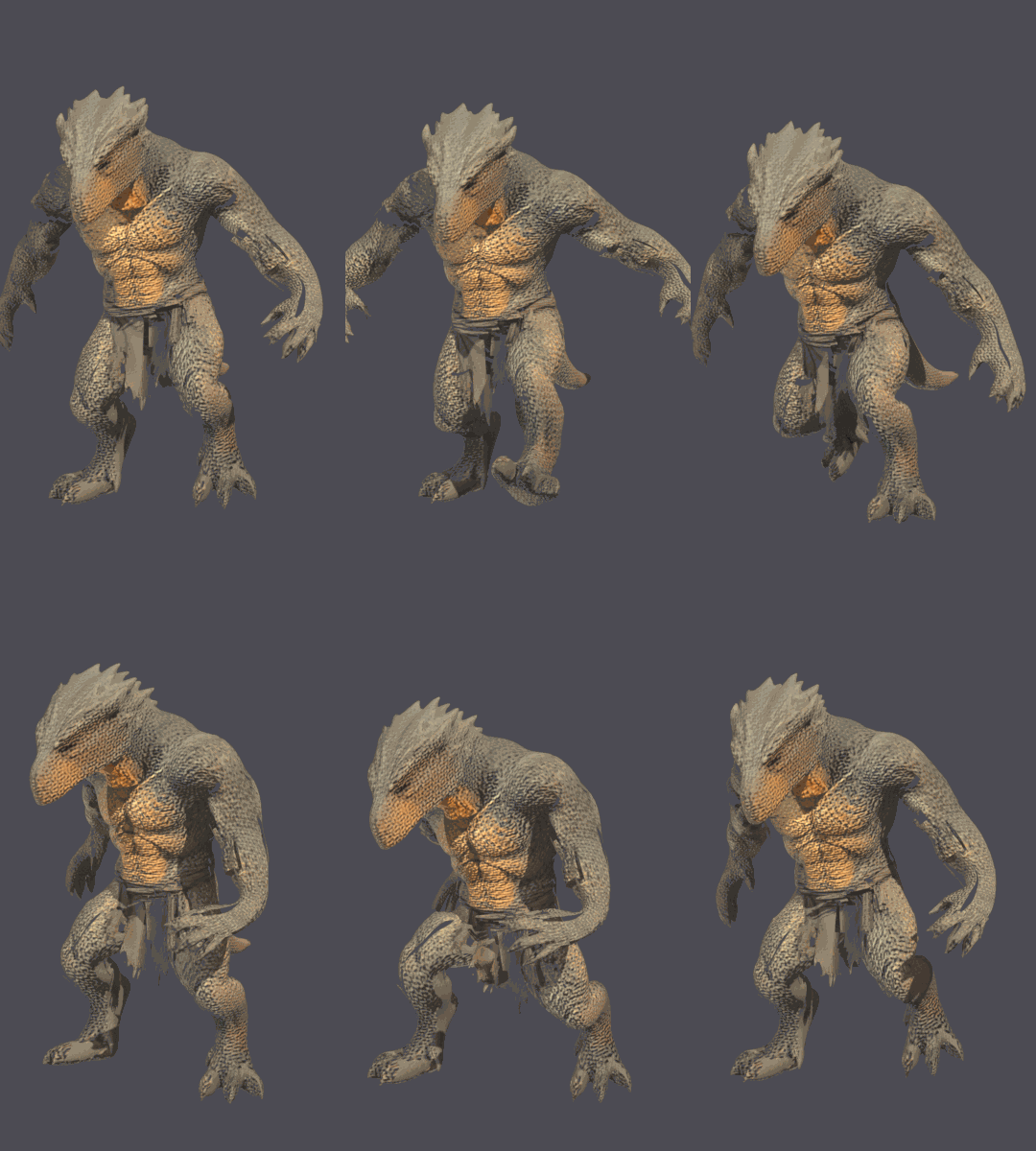
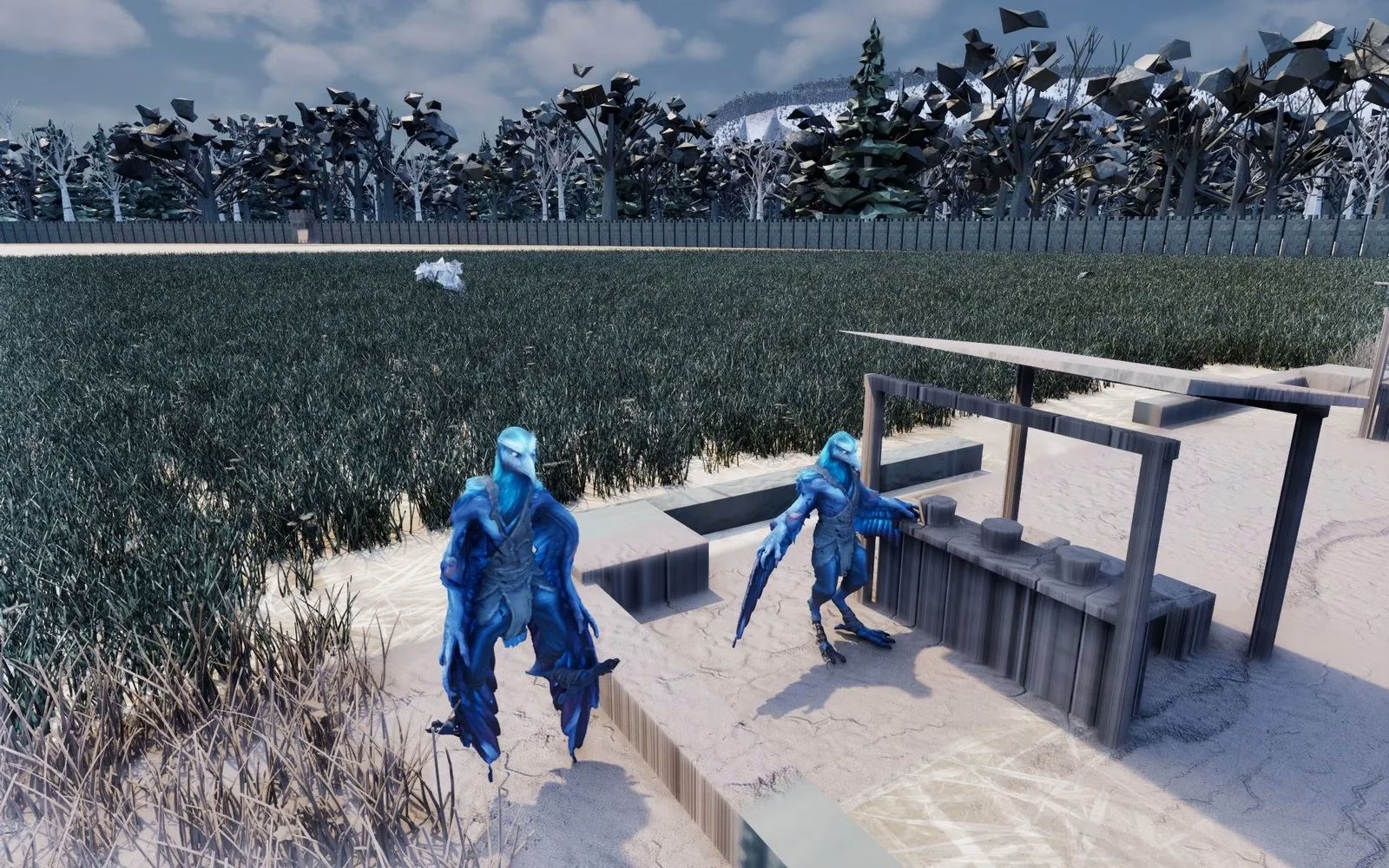
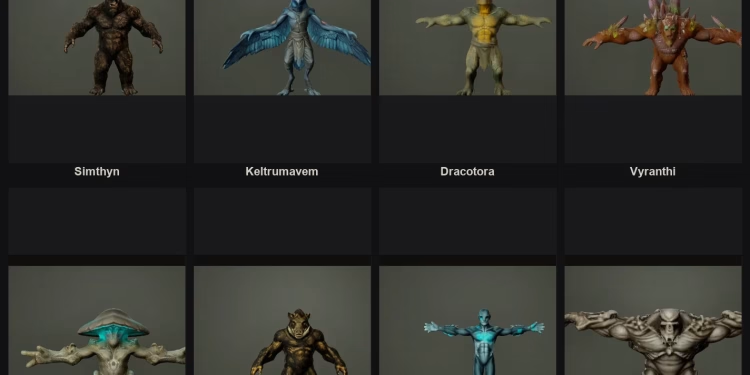
In the same message I noticed we’d rushed past the races, and I listed what I wanted: a race of subteranian bird people who had emurged to the surface, reptilian humanoids, regular humans, something touched by the last collapse, a hive mind, and an ant colony.
A name that was mine
Then I changed the world’s name.
i dont want to call the world vaelthara, that is an already used name, we should focus on being original. I want to call the world Sinthora.
In the same message I asked for the seven deadly sins to be worked into the systems, not by name, but as elements within the systems we were already building. Next I asked for the race names to feel like one universe, recognizable, so that the more you learn, the more patterns you see. The last line of that message was the rule I’d build everything on: “the world is always the game, we’re just in it.”
How big, and how alive
The next half hour was me saying what the world should feel like. The plan that morning was that a day would take about an hour at normal speed. Every building in every settlement should be enterable and stocked, like Kenshi’s towns, not Total War’s. A big late-game faction, I said, could hold upward of 300 pawns, each recruited one by one.
That is the power of the sandbox.
And I didn’t want that to be the only way to play. A lone adventurer should be an equally real goal:
there is no story to follow, only a world you’re in and allowed to uncover/explore/live in. this is not a liner game.
Then the design commit landed: Vaelthara became Sinthora, six playable races, eight factions with sub-factions, ten new specs from starting conditions to endgame outcomes, and the seven emergent vices. More than a thousand lines across three docs.
That was the February plan. Then I asked for the roadmap to make it real. I told it to imagine it was me, and to write the step-by-step guide I would follow from a finished concept to a playable game in Unreal 5.7, with a reminder: “remember that i am new to this.” By morning the roadmap had landed: nine phases, over forty milestones, each with concrete steps and a test to prove it was alive, written for someone new to Unreal.
What I learned
I learned that the five pillars were worth writing down first. They were there before the first line of code, and every idea had to say which one it served.
I learned that being lost can pass fast. I said “so lost” at 1:46 and the classes showed up in the tree ten minutes later.
I learned that rules are cheapest to set on the worst nights. The Unreal best-practices rule and the always-save-after-it-works rule both came out of the night I got lost.
And I learned to start with a plain question. “What is this project?” is where all of this began.
Looking back from October, this is what that night was:
“building a game of this caliber has been my dream since i was a child – now we have the tools to do it and i wont let anything stop me”
Where it stands now (October 2026): The five founding pillars are still the project’s rules, and the world is spelled Sinthora, re-confirmed on October 12. The nine-phase roadmap from that first week has since been replaced by a staged build order set on October 3.
What did you write down on day one that you still hold yourself to?
From the same month: Devlog 001: code-complete four days in (it was not).
Following the build? Sign the book so I know you’re out there
From the toolbox The Toolbox · A random post · All tools →
Free
Join the Guild
The free Weekend Field Manual, dev log alerts, and guild dispatches for announcements. Zero spam.
Join the Guild
Keep reading
Next in the Forge
Devlog 008: no magic anything

 Throw five on it